
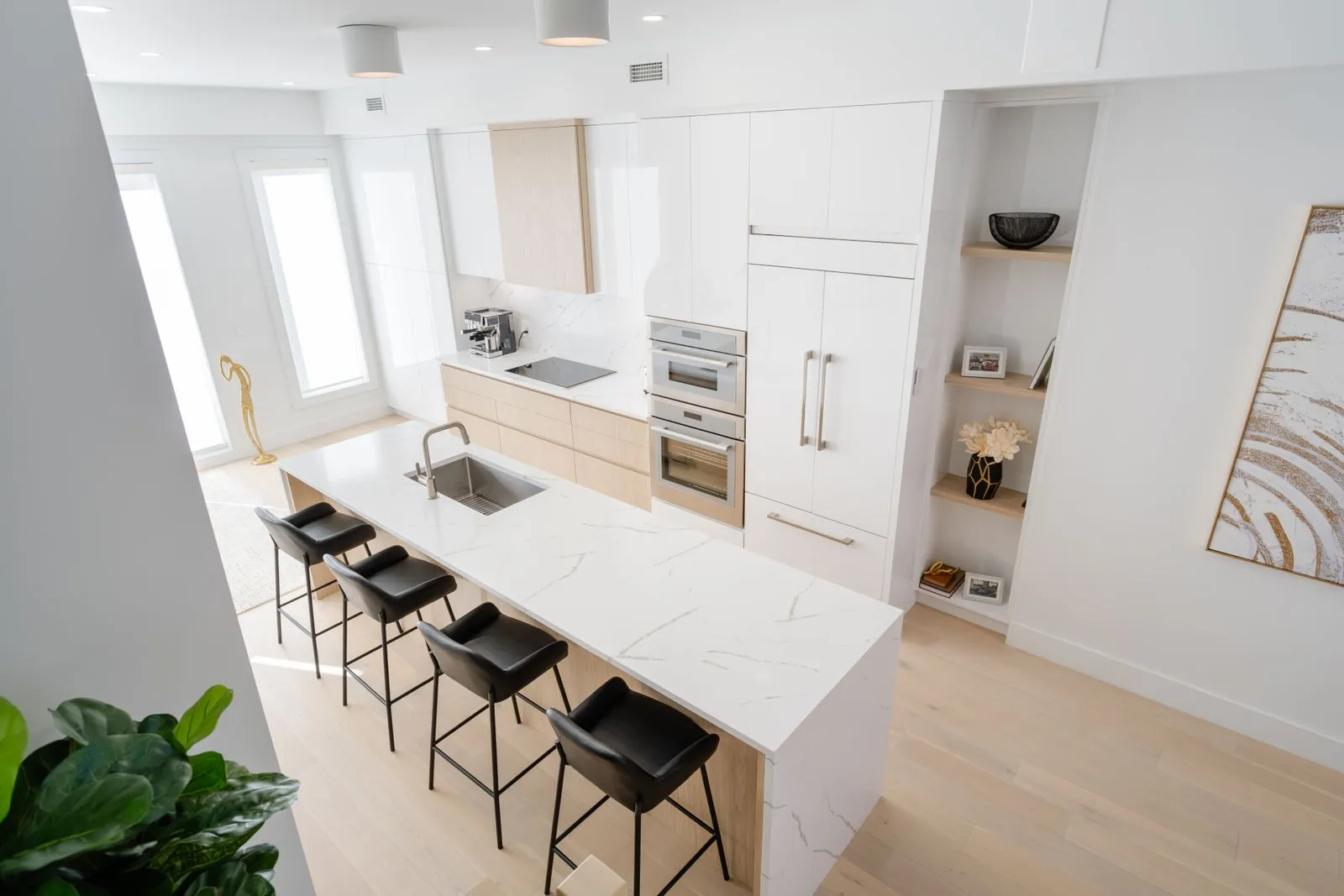
A little preparation helps your home stager focus on the details that make rooms feel clear, inviting, and easy to understand. Before the appointment, gather property information, remove everyday clutter, note repairs, and plan a thorough clean. You do not need to make every design decision yourself. A clear starting point lets your stager assess the space, identify what to prioritize, and recommend practical next steps—especially when every square foot matters.
Declutter With a Room-by-Room Plan
Start by removing items that crowd surfaces, block walkways, or make storage look full. Clear kitchen counters, bathroom vanities, entry tables, and bedside surfaces, leaving only a few useful or decorative pieces. In closets and cupboards, reduce contents enough to show available storage. Pack personal papers, medication, valuables, and fragile belongings separately so they stay secure during staging and showings.
Work through one room at a time rather than moving belongings from one crowded area to another. Sort items into keep, donate, discard, and pack categories, then take packed boxes off-site if possible. In a small home, clear floor space and accessible pathways are especially important: they help visitors see how furniture fits and how people can move through the rooms.
List Repairs and Basic Maintenance
Walk through the property and write down visible issues before the staging visit. Note dripping faucets, loose handles, burned-out bulbs, damaged trim, chipped paint, sticking doors, and cracked or missing caulk. Take photos and include the room or location in each note. This gives your stager a useful overview and helps you decide which fixes to complete before furniture and accessories arrive.
Prioritize safety and function first. Secure loose railings, address exposed wiring or water leaks, and make sure doors, windows, and appliances work as intended. Ask your stager which cosmetic improvements could have the greatest effect before you buy materials or start a project. Avoid beginning major repairs or painting without confirming timing and finish choices, particularly if the work could affect the staging schedule.
Clean for a Clear First Impression
Clean the areas buyers notice and use: floors, windows, counters, sinks, tubs, toilets, appliances, and light fixtures. Wipe fingerprints from doors and switches, remove dust from baseboards, and clean mirrors until they are clear. Pay attention to corners, vents, and the tops of cabinets, where dust can collect. If time is limited, arrange help for deep cleaning before the staging appointment.
Reduce lingering odors by taking out trash, laundering soft furnishings, and airing out rooms when practical. Store pet supplies, food bowls, litter boxes, and cleaning products out of sight before photos or showings. Keep the home dry and ventilated after cleaning, and avoid strong fragrance products that can overwhelm visitors or mask a maintenance issue.
Share Details With Your Stager
Send your stager the property’s key facts before the visit: approximate room dimensions, the number of bedrooms and bathrooms, storage features, recent upgrades, and any known issues. Share floor plans or listing photos if you have them. Point out features you want visitors to notice, such as a bright work nook, built-in storage, or a flexible room that serves more than one purpose.
Explain your goals, timeline, budget range, and whether the home will remain occupied. Tell the stager what furniture and decor can stay, what must remain accessible, and whether there are building rules, parking limits, or access instructions. Mention pets, mobility needs, and items that should not be moved. Clear information helps the staging plan suit the property and your day-to-day requirements.
Before the appointment, confirm access, finish any agreed repairs, and set aside personal or fragile items. Keep your notes and property details in one place so your stager can review them quickly. With the basics handled, you can focus on a staging plan that presents your home clearly. Contact Harbour & Hearth to discuss your space and preparation needs.